This post may contain affiliate links. As an Amazon Associate, I may earn commissions on eligible purchases.

Understanding Different Skin Types
The first step to crafting an effective skincare routine is understanding your skin type. Everyone’s skin has its own unique characteristics and requires tailored care to maintain its health and beauty. By identifying your skin type, you can select products and treatments that address its specific needs. Here’s a breakdown of the most common skin types:
1. Normal Skin
Normal skin is well-balanced, with small pores and an even tone. It typically feels smooth and supple, with minimal sensitivity. Those with normal skin can maintain its health with a basic routine consisting of cleansing, toning, moisturizing, and sun protection.
2. Dry Skin
Dry skin often feels tight and may appear dull or flaky. It is prone to fine lines and a lack of elasticity due to insufficient moisture. Individuals with dry skin benefit from hydrating products and should incorporate rich moisturizers and gentle cleansers into their skincare routine.
3. Oily Skin
Oily skin is characterized by excess sebum production, leading to a shiny or greasy appearance, enlarged pores, and a higher likelihood of acne and blemishes. An effective skincare regimen for oily skin involves using non-comedogenic products, oil-free moisturizers, and regular cleansing to manage sebum production and prevent breakouts.
4. Combination Skin
Combination skin presents a blend of characteristics, often featuring an oily T-zone (forehead, nose, and chin) and normal to dry cheeks. To address combination skin, individuals can use different products for specific areas, such as oil-controlling formulas for the T-zone and gentle, hydrating products for the rest of the face.
5. Sensitive Skin
Sensitive skin is prone to reactions such as redness, itching, and stinging when exposed to certain products or environmental factors. It requires gentle, fragrance-free, and hypoallergenic formulations to minimize the risk of irritation. Those with sensitive skin should patch-test new products and seek guidance from dermatologists for suitable skincare options.
Understanding your skin type is crucial for building a skincare routine that promotes a healthy and radiant complexion. By tailoring your regimen to address the unique requirements of your skin, you can effectively nurture and protect it for long-term vitality and beauty.
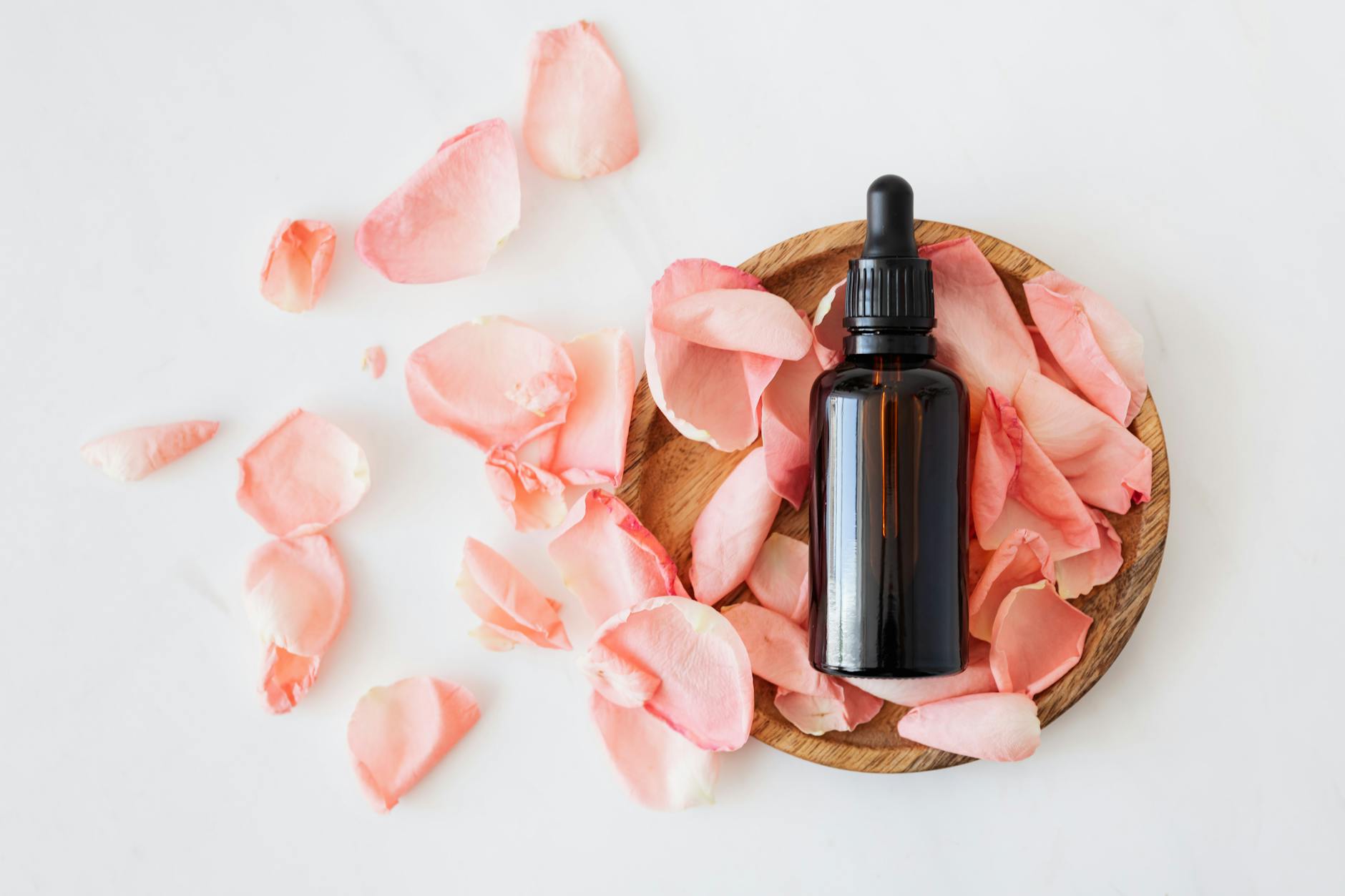
Once you identify your skin type, maintaining a consistent and effective skincare routine is absolutely crucial for your skin’s health and beauty. Embrace these steps for an invigorating daily skincare routine:
Step 1: Cleansing
Start your skin care routine by cleansing your face with a gentle facial cleanser suitable for your skin type. Use lukewarm water to wash away any dirt, oil, and impurities. Pat your face dry with a clean towel.
Step 2: Toning
Apply a suitable toner to help balance the skin’s pH levels and remove any leftover traces of dirt or makeup. This step can also help prepare your skin to better absorb the subsequent products.
Step 3: Treatment (Optional)
If you have specific skin concerns, like acne, dark spots, or signs of aging, apply a targeted treatment product, such as a serum or acne treatment, to address these issues. Gently massage the treatment into your skin and allow it to be fully absorbed.
Step 4: Moisturizing
Hydrate your skin with an appropriate moisturizer to lock in moisture and keep your skin supple. Choose a moisturizer suitable for your skin type—whether it’s dry, oily, combination, or sensitive—and apply it evenly across your face and neck.
Step 5: Sun Protection
Finish off your daytime routine with a broad-spectrum sunscreen with at least SPF 30. Apply it generously to shield your skin from harmful UV rays, even on cloudy days.
Step 6: Night-time Routine
- Cleanse: Start by gently cleansing your face to remove makeup, dirt, and impurities. Use a mild, hydrating cleanser to avoid stripping your skin of essential oils.
- Tone: Apply a soothing and pH-balanced toner to help rebalance your skin’s natural acidity and remove any remaining traces of impurities. This prepares your skin for better absorption of subsequent products.
- Treat: Use a targeted treatment, such as a serum or spot treatment, to address specific skin concerns like dark spots, fine lines, or uneven texture.
- Night Cream or Treatment: Consider using a specialized night cream or treatment tailored to aid skin repair and rejuvenation while you sleep. Look for products with ingredients like retinol, hyaluronic acid, or peptides for added benefits.
Remember, consistency is key for seeing results from your night time skincare routine.
Additionally, it’s essential to select products tailored to your skin’s specific needs and to perform a patch test when trying new products to minimize the risk of irritation. Always consult a dermatologist or skin care professional for personalized recommendations, especially if you have unique skin concerns or conditions. With a disciplined and tailored approach, you can achieve and maintain vibrant, healthy skin.

 TheGoodHealthyLife
Leave a comment